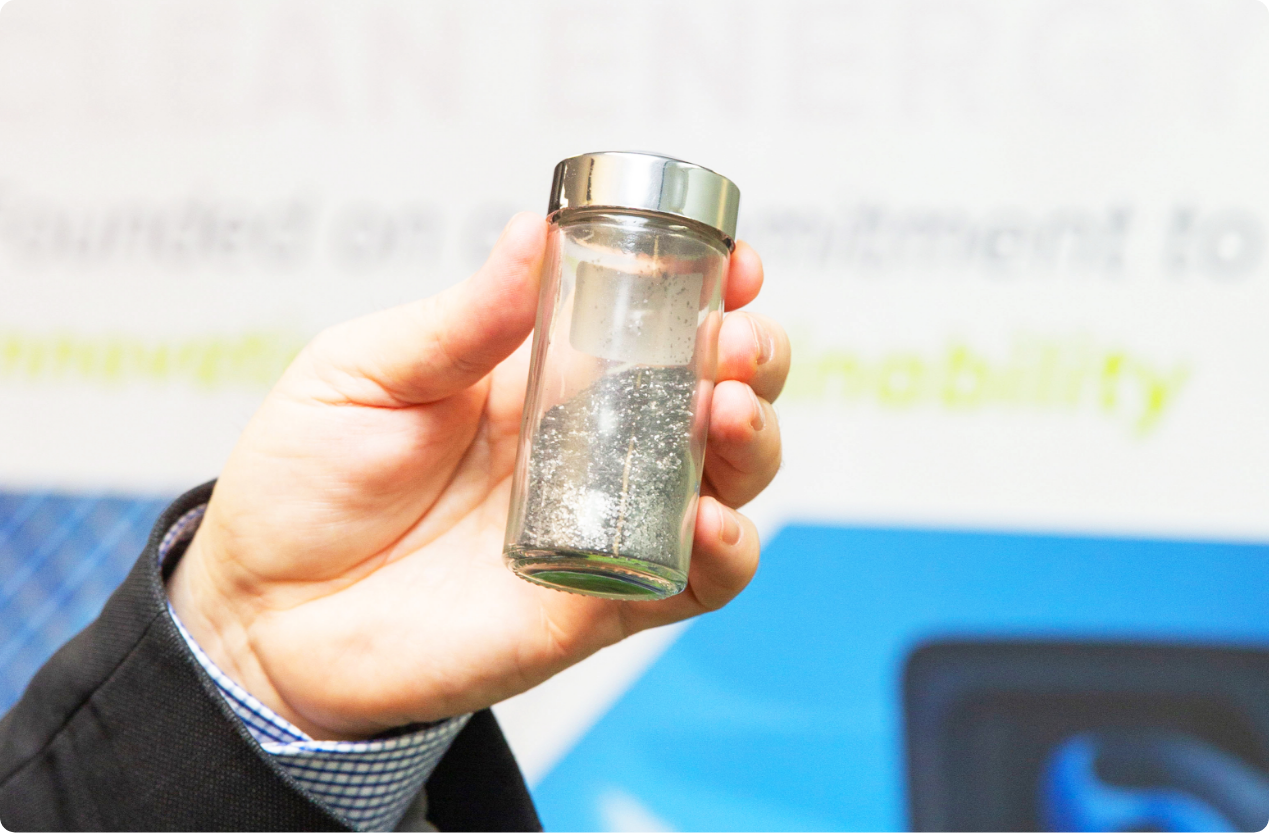
Mechanical Shaping of Natural Flake Graphite to Produce Spherical Graphite (SpG)
There are two processing steps necessary for the manufacture of spherical graphite for battery anode production. Mechanical micronisation is the first step and then followed by mechanical spheronisation in continuous mode in the conversion of high-quality flake graphite concentrate into battery grade anode material used in the production of lithium-ion batteries. An engineering study has been completed for the development of a spherical graphite facility in Tanzania and the location is under consideration. The location will have access to transportation infrastructure, site services, skilled personnel and containerised export facilities.

Low-cost, Low CO2 Hydropower
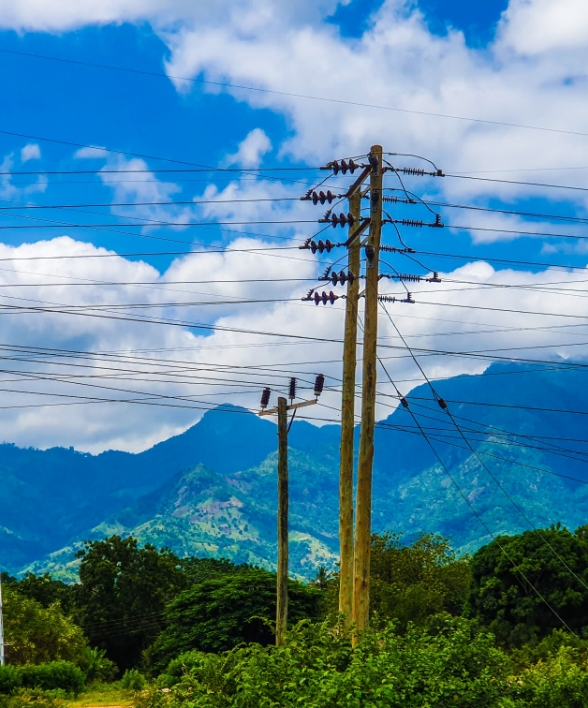
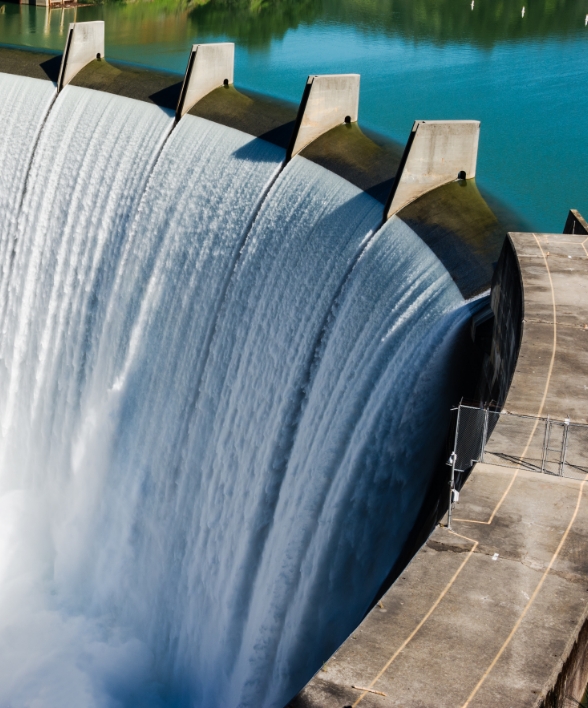
EcoGraf’s Mechanical Shaping Facility will benefit from Tanzania’s low-cost, low CO2 hydropower. Initial supply and commencement of the 2,115MW Julius Nyerere hydropower plant has provided a significant increase in renewable power into Tanzania’s grid and support the Government’s industrialisations plans. The dam is the fourth largest in Africa and located in the Morogoro region.
The central location of the facility is well placed to easily transport feedstock from our Epanko Graphite Mine for processing and then to export to our localised downstream facilities and global customers in key battery hubs. An engineering study has been completed for the development of a spherical graphite facility in Tanzania and the location is under consideration. The location will have access to transportation infrastructure, site services, skilled personnel and containerised export facilities.
Ifakara regional transport and infrastructure
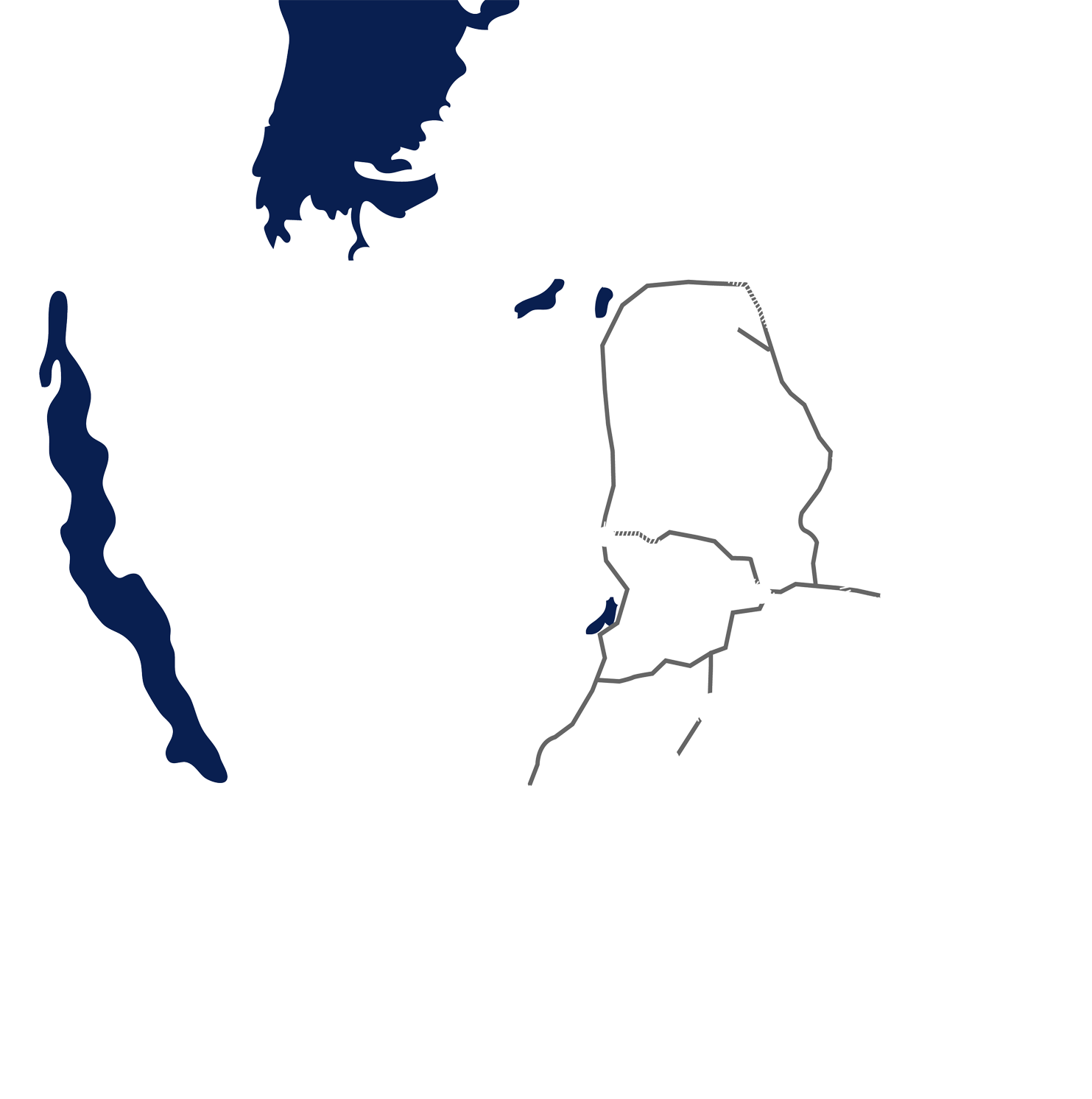
Extensive technical work has been ompleted over the last 10 years by EcoGraf and is based upon the preferred site near Ifakara, which provides significant clean-power and transport advantages. The selected Ifakara site is on the main road network and is adjacent to the existing railway, with the opportunity for connection via a dedicated rail-siding into the proposed facility. Power for the area is provided via the EU-funded Ifakara sub-station which was opened in mid 2024, and allows for connection to the clean power generated from the Julius Nyerere Hydropower Project. This is all supported by a sealed highway for the entire Dar es Salaam – Ifakara road option. Ifakara itself is approximately 75km by road from Epanko.
Value-addition
Selection of Ifakara supports the Company’s proposed expansion of its Epanko operation to produce approximately 300,000 tonnes per annum flake graphite products, with engineering programs continuing on the Ifakara site and optimisation of logistics for the planned transport of Epanko graphite products to the export port of Dar es Salaam.
The TanzGraphite Mechanical Shaping Facility will value-add 20,000 tonnes per annum of Epanko natural flake graphite into spherical graphite. The mechanical micronizing and shaping process is the first step in the conversion of high-quality flake graphite into battery grade SpG or anode material for use in the production of lithium-ion batteries.
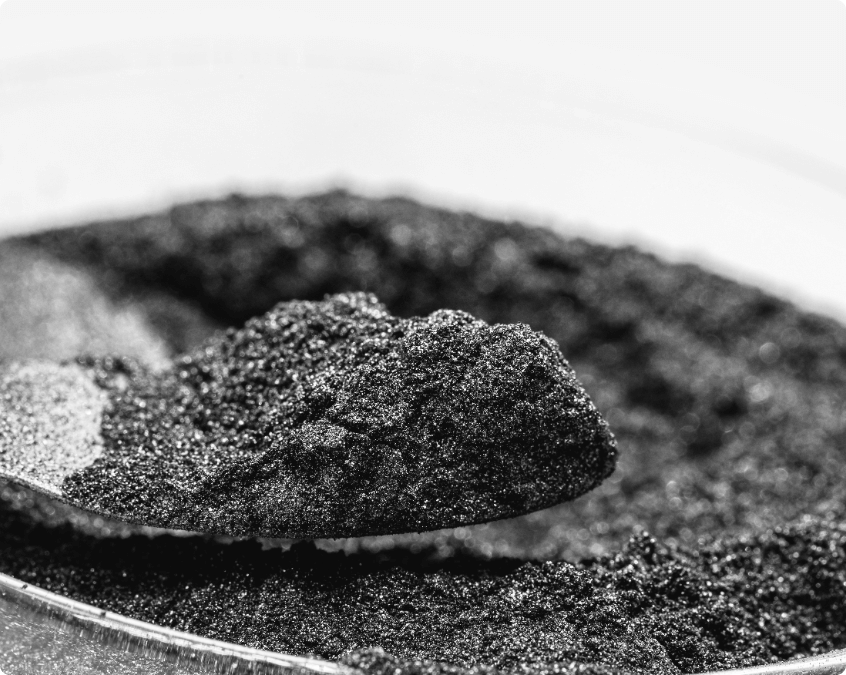
What is SpG?
Spherical graphite (SpG), also known as battery-grade graphite, is the product that is consumed as an anode in lithium-ion batteries. Flake graphite concentrate is processed into ultra-high-purity (>99.95% C) with particle sizes ranging from 10 micron to 25 micron.
These are then used as a battery anode material. It is its unique electrical conductivity that makes spherical graphite a critical component in anode manufacture. Graphite represents just under 50% of battery minerals in a lithium-ion battery.
The spheronisation process decreases the surface area to allow more graphite into a smaller volume. This creates a smaller, denser, more efficient anode product for the battery. It also increases the rate at which the cell can be charged and discharged.